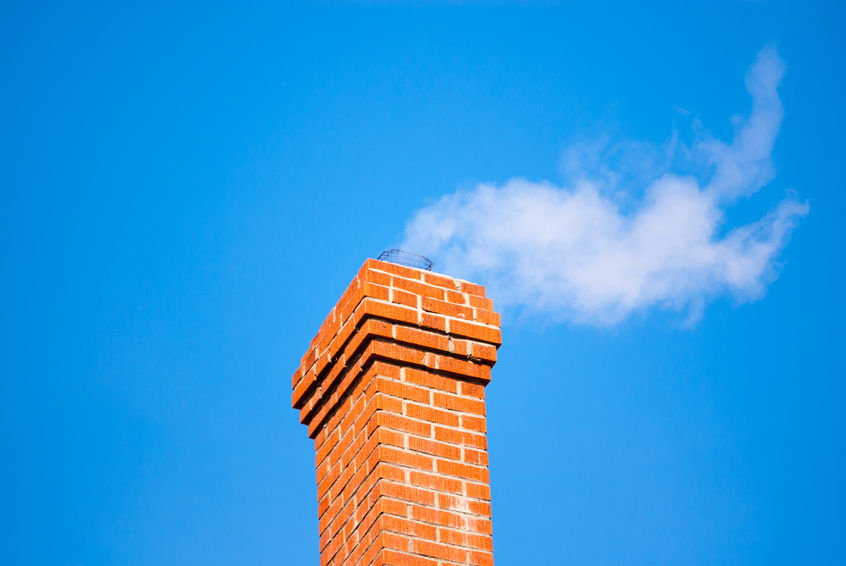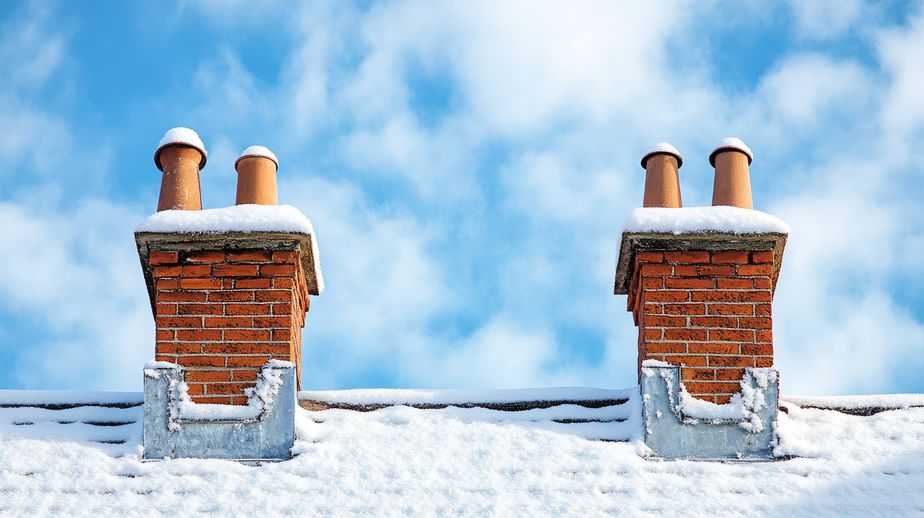


Anyone who lives in Ohio knows how unpredictable the weather can be. One afternoon feels like spring and then temperatures drop below freezing overnight. While we might joke about it, your chimney is not laughing. Those rapid temperature swings do real damage, especially during the winter months.
The freeze-thaw cycle is one of the biggest threats to chimneys throughout Cincinnati, Dayton, and the surrounding areas. When the damage goes unnoticed, homeowners often end up dealing with expensive repairs that could have been avoided.
The Freeze-Thaw Cycle: A Silent Masonry Destroyer
Chimneys are built from brick, stone, mortar, and concrete. Although these materials look tough, they absorb water easily. Melted snow and rain seep into the masonry. When temperatures drop, that trapped water freezes and expands. Once the weather warms up again, ice melts and the process repeats.
Each cycle puts pressure on the structure from the inside. Over weeks and months, tiny cracks turn into significant deterioration.
Signs Your Chimney Is Taking Freeze Damage
Many homeowners first notice issues on the outside of the chimney. If you walk around your home in winter or early spring, keep an eye out for:
- Flaking or crumbling brick
- Pieces of brick falling off the surface, known as spalling.
- Gaps forming between bricks
- Mortar wears away faster when exposed to repeated moisture.
- Visible cracks
Even small ones can expand more quickly than you might expect.
Water stains inside the home
If leaks reach drywall or ceilings, the damage is already advanced.
A leaning or unstable chimney
This can happen when lower bricks or the foundation weaken.
Once these symptoms appear, the problem is already deeper than what you can see.
Why Ohio Chimneys Are More Vulnerable Than Most
Our region experiences frequent temperature swings that bounce above and below freezing. That constant shift causes the freeze-thaw cycle to repeat far more often than in states with steady winter temperatures.
Some of the biggest contributing factors include:
- Snow one day, rain the next
- Heavy ice and winter storms
- Wind exposure from open yards or hilltops
- Older masonry that absorbs more water than modern brick
- Even a well-built chimney will show wear faster if repairs and maintenance are neglected.
The Bigger Issues You May Not See Coming
Freeze-thaw damage is about more than just cosmetic problems. If water reaches the interior of your chimney system, it can create dangerous conditions such as:
- Carbon monoxide leaks due to a damaged flue liner
- Interior mold growth from ongoing moisture intrusion
- Higher fire risk because of cracked components
- Structural failure that can lead to a collapse
- Water is persistent and once it finds a path inside, the situation worsens quickly.
Protecting Your Chimney Before Winter Takes Over
The good news is that freeze-thaw damage can be stopped with simple, timely maintenance. A chimney professional can help protect the structure by:
Applying waterproofing sealant
Keeps water out while still allowing the brick to breathe.
Installing a chimney cap
Stops snow, rain, and animals from getting inside.
Repairing loose mortar with tuckpointing
Strengthens the chimney and prevents further cracks.
Rebuilding or sealing the chimney crown
Stops water from entering from the very top.
Scheduling annual inspections
Detects small problems early before they turn expensive.
If you have a fireplace that you use every winter, these steps can save you thousands over the life of your chimney.
Stay Ahead of Freeze-Thaw Damage
Ohio winters are tough enough without worrying about chimney problems. If you have noticed flaking brick, water spots around the fireplace, or smoke that seems to drift back inside, it is time for a chimney checkup.
Give us a call at 513-727-0994 or request an estimate online. Let us help you enjoy a warm home all winter long without worrying about what the weather is doing to your chimney.