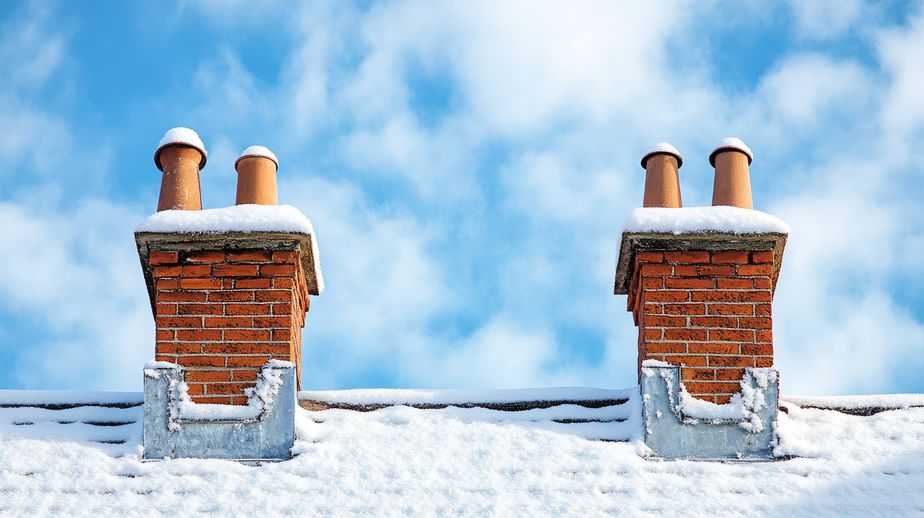

Ohio’s climate puts a lot of stress on chimneys. Between steady rain, heavy snow, freezing temperatures, and humid summers, masonry is constantly exposed to moisture. Over time, that exposure can weaken your chimney and lead to repairs that could have been avoided. Chimney waterproofing is one of the simplest and most effective ways to protect your home from Ohio’s unpredictable weather.
How Water Slowly Breaks Down Chimneys
Brick and mortar are strong, but they are not waterproof. Both materials naturally absorb water. When rain or melting snow soaks into the chimney, problems begin beneath the surface.
In winter, absorbed moisture freezes and expands. This repeated freeze and thaw cycle causes mortar joints to crack and bricks to chip or break apart. You may notice pieces of brick flaking off or mortar starting to crumble. These small changes often signal deeper damage inside the structure.
Moisture also affects the metal components inside your chimney. Dampers, fireboxes, and liners can rust when exposed to ongoing moisture. In more advanced cases, water can travel beyond the chimney and damage nearby wood framing, insulation, or interior walls.
Warm weather does not eliminate the risk. Ohio’s humid summers allow moisture to linger inside masonry, weakening mortar and accelerating long term deterioration.
Common Warning Signs of Moisture Damage
Many homeowners are surprised to learn how much damage water can cause before it becomes obvious. Some early signs include white powdery stains on brick, known as efflorescence, cracked mortar joints, loose bricks, water stains around the fireplace, or rusted fireplace parts.
These warning signs often appear before major structural problems develop. Addressing them early with waterproofing can help prevent costly repairs down the road.
How Chimney Waterproofing Helps
Chimney waterproofing works by creating a protective barrier on the exterior masonry. The key is using the right type of product. Professional chimney waterproofing solutions repel water while still allowing the chimney to breathe.
This breathable protection prevents rain and snow from soaking into the brick while letting trapped moisture escape. That balance is critical. When water is blocked from entering but not trapped inside, the chimney stays drier, stronger, and more durable.
Waterproofing helps slow cracking, reduces spalling, and limits the effects of freeze and thaw cycles that are common in Ohio.
The Importance of Professional Grade Products
Not all sealers are suitable for chimneys. Many store-bought sealants create a surface film that traps moisture inside the masonry. This can actually speed up deterioration instead of preventing it.
Professional grade chimney waterproofing products are designed specifically for brick and mortar exposed to outdoor conditions. They resist UV damage, handle extreme temperature changes, and last significantly longer when applied correctly.
Using the right product makes a noticeable difference in how well your chimney stands up to Ohio weather.
Proper Application Makes the Difference
Waterproofing is most effective when the chimney is in good condition before treatment. Cracks, damaged mortar, or crown issues should be repaired first. Sealing over existing damage does not solve the underlying problem.
Once repairs are complete, the chimney is cleaned to ensure the waterproofing solution bonds properly to the masonry. The treatment is then applied evenly to all exposed brick and mortar surfaces, with extra attention to areas that take the most weather exposure.
For the best protection, waterproofing is often paired with chimney caps, chase covers, and well installed flashing. Together, these components help keep water out from every angle. Contact Mid-Valley Chimney Repair & Sweeps at 513-727-0994 today or visit us online for more information!